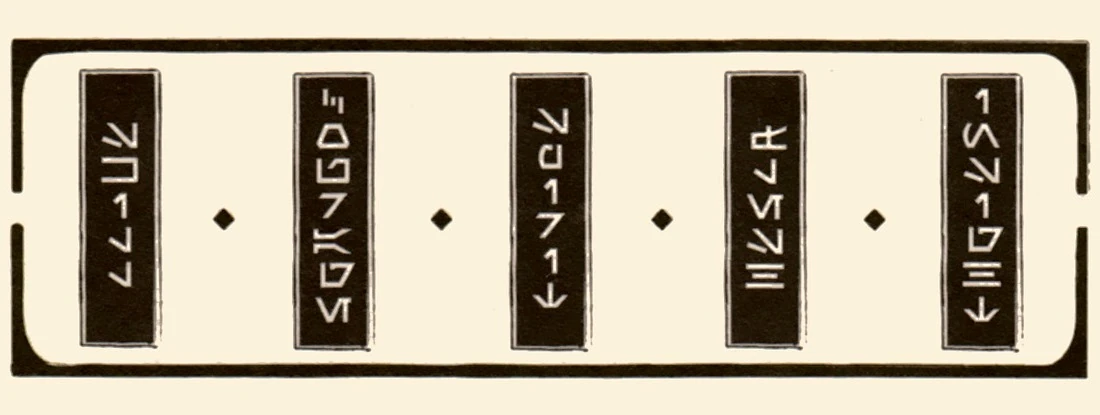
 The five Trials: Skill, Courage, Spirit, Flesh, and Insight


The gauntlet of challenges known as the Jedi Trials, which can also be referred to as the Trials of Knighthood, Jedi rituals, or Jedi ceremonies, were a series of requirements that Jedi Padawans had to overcome to be promoted to the rank of Knight. Sometimes, Knights would even repeat these trials to become Jedi Masters. The Jedi High Council oversaw these trials, administering them to Padawans they thought were ready to become Jedi Knights. A core group of five trials existed, consisting of the Trial of Skill, the Trial of Courage, the Trial of the Flesh, the Trial of Spirit, and the Trial of Insight. The Council also had the option to substitute these with other tests, or even use an exceptionally difficult mission as a replacement for the traditional trials. Just like the Initiate Trials, these tests were mandatory for advancement within the Jedi Order's hierarchy.
Since the Jedi Order's founding on Tython, the Jedi trials have been a deeply embedded tradition. Before the High Council was established and the Jedi academy's teachings were standardized, the Trials were conducted informally by a Padawan's master. These early trials were known for their extreme difficulty, sometimes being virtually impossible to complete. Over time, the trials became somewhat less stringent, with standards significantly declining during the New Sith Wars. To address this, the High Council established five formal tests, following the Ruusan Reformation. These tests were administered within the Jedi Trials Chamber located in the Coruscant Jedi Temple. This specialized chamber, situated deep within the Temple, featured a cutting-edge hologram projector capable of creating realistic simulations of both ancient Jedi and Sith. Beyond the combat aspects of the Trials, the room was designed to assess various skills, often replicating the unpredictable situations a Jedi might encounter in the field.
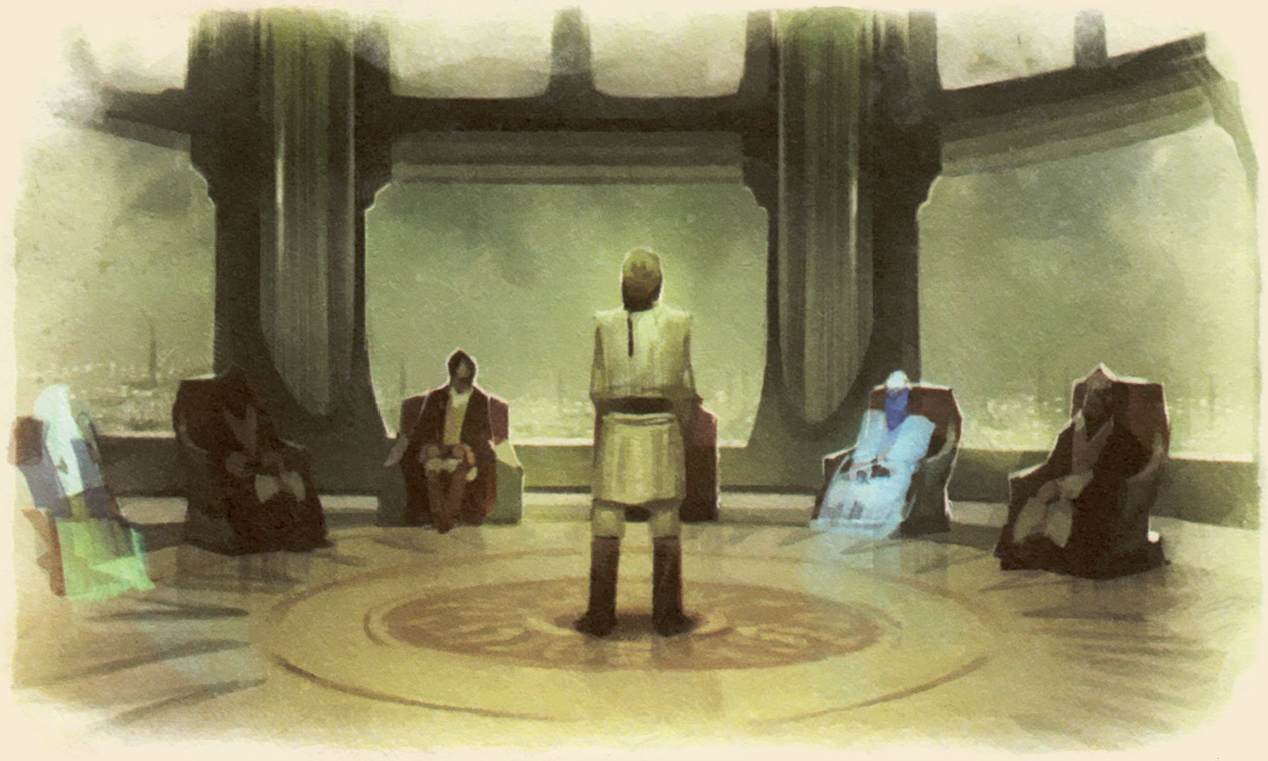
The High Council, along with the current battlemaster, supervised the Trials, which concluded upon completion of all tests. If a Padawan successfully navigated the challenges, their Master would then prepare them for the Knighting ceremony. As the ceremony drew near, the Padawan would dedicate an entire day to profound meditation within the preparation room, located high in the Tranquility Spire. When the time came to ascend to the Hall of Knighthood, the Padawan would enter the darkened chamber and kneel before the Order's Grand Master, who would sever their Padawan braid. If a Padawan failed the trials, they were allowed to retake them until they succeeded.
In The Jedi Path, Restelly Quist, the late Chief Librarian, recounted a story about multiple Trials being completed simultaneously. According to her account, during the eighth hour of the Trial of Skill, three Padawans undergoing the Trials at the same time each faced an additional trial. While battling an endless wave of holographic warriors, one student realized the warriors were illusions, thus completing both the Trial of Insight and Skill. Another student, believing their life was in danger, fought relentlessly, thereby passing the Trials of Courage and Skill. However, the third student was overcome by exhaustion and failed to complete the Trials.
Although rare, exceptions to the standard trial process were sometimes made. During times of crisis, the High Council could bypass the trials if a Padawan had demonstrated exceptional skill, courage, or dedication to the Order. In such cases, the apprentice was deemed to have passed the trials through their accomplishments, negating the need for formal testing. Shortly after the academy was re-established on Coruscant, Master Valenthyne Farfalla knighted Padawan Johun Othone for his courageous service during the New Sith Wars and his continued commitment to the Order, even after the death of his Master, Jedi Lord Hoth. Later in the Order's history, both Obi-Wan Kenobi and Anakin Skywalker attained the rank of Jedi Knight without undergoing formal trials. Instead, their actions served as their trials: Kenobi, through his duel with the Sith Lord Darth Maul, and Skywalker for his heroism during the Clone Wars. Mace Windu even described Ahsoka Tano's efforts to clear her name as her "Great Trial".
The Trials were suspended when the Order was disbanded in 19 BBY by the Galactic Empire. They faded into obscurity for decades as the Galactic Civil War divided the galaxy. Following the war, Yoda, one of the few Jedi to survive the Great Jedi Purge, taught Luke Skywalker the ways of the old Order. While no traditional trials were conducted, Skywalker knighted himself and established a new Order. Combining his limited knowledge of the old ways with techniques he found effective, Skywalker required his first class of students to explore the ruins of the Massassi Temples on Yavin 4. They were tasked with demonstrating proper use of Force powers to overcome obstacles and showcasing combat skills using training remotes and Jedi training droids. Additionally, they were assigned missions to complete both with their Master and independently.
During the brutal Yuuzhan Vong War, Knights could bypass formal trials due to their significant achievements during the conflict. The survivors of the Mission to Myrkr, who were formally knighted in a ceremony, exemplify this. As the Order rebuilt using recovered holocrons, the New Order eventually reinstated formal trials.
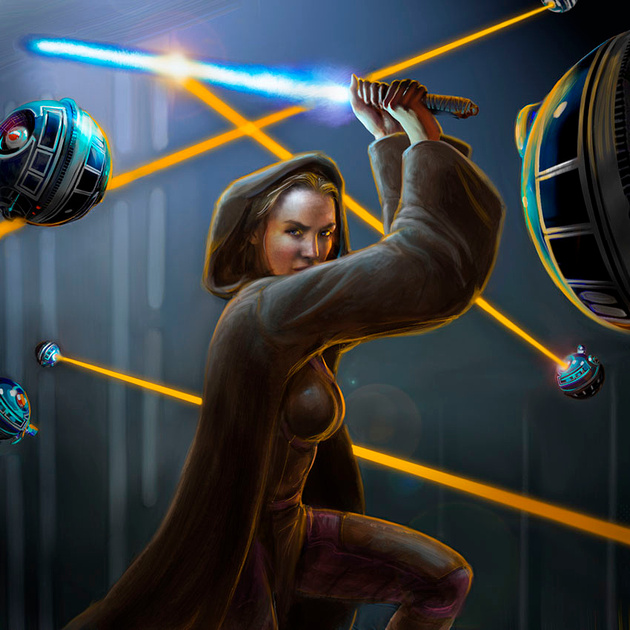
The Trial of Skill stood as one of the most time-honored assessments within the Order's collection of tests. While the test did involve various displays of lightsaber prowess, the battlemaster primarily assessed a potential Knight's capacity to maintain focus and avoid distractions through self-discipline. Before it was formalized, the trial consisted of acrobatic performances, using the Force to levitate objects amidst storms. Once the test was integrated into the more standardized academy curriculum, the High Council mandated that each participant undergo a three-part evaluation addressing physical, mental, and combat-related challenges. Standard physical challenges included tests of climbing, dealing with heights, endurance, escape techniques, and leaping. The mental challenges that followed assessed skill in levitation, a second endurance test, handling duress, and reflection. The final segment of the trial required students to confront an adversary, whose species, allegiance, and composition (whether flesh and blood or a simulation) varied. These tests of conflict, dueling, and mental fortitude pitted Padawans against droids, fellow students, the Temple Battlemaster, or even the Grand Master, challenging them to withstand their attacks. Other students faced multiple opponents, some wielding lightsabers, others manipulating perception or altering the environment within the chamber. Furthermore, the Council could utilize the simulacrum program to send numerous Sith Lords to test a young Padawan's resilience.
Throughout the Order's history, numerous notable tests have been administered, demonstrating ingenuity on multiple levels. One of the earliest recorded attempts at the test was by young Rouggle during the Golden Age of the Old Republic. Rouggle, a contemporary of Thame Cerulian, failed the test when the manipulated tiles beneath his feet caused him to fall. During the Clone Wars, Anakin completed this trial by defeating Asajj Ventress on Yavin 4. One of the most intriguing cases involved Kazdan Paratus, who defeated his opponent by rapidly creating a series of droids. The last recorded test occurred during the Imperial era, when Sith Lord Darth Vader dispatched his secret Apprentice Starkiller to the Temple to face a simulacrum of Darth Desolous, a deceased Pau'an Sith. Employing his advanced skills to exhaust the projection, the assassin used the Force to topple a statue onto the holographic foe, thus completing the test.
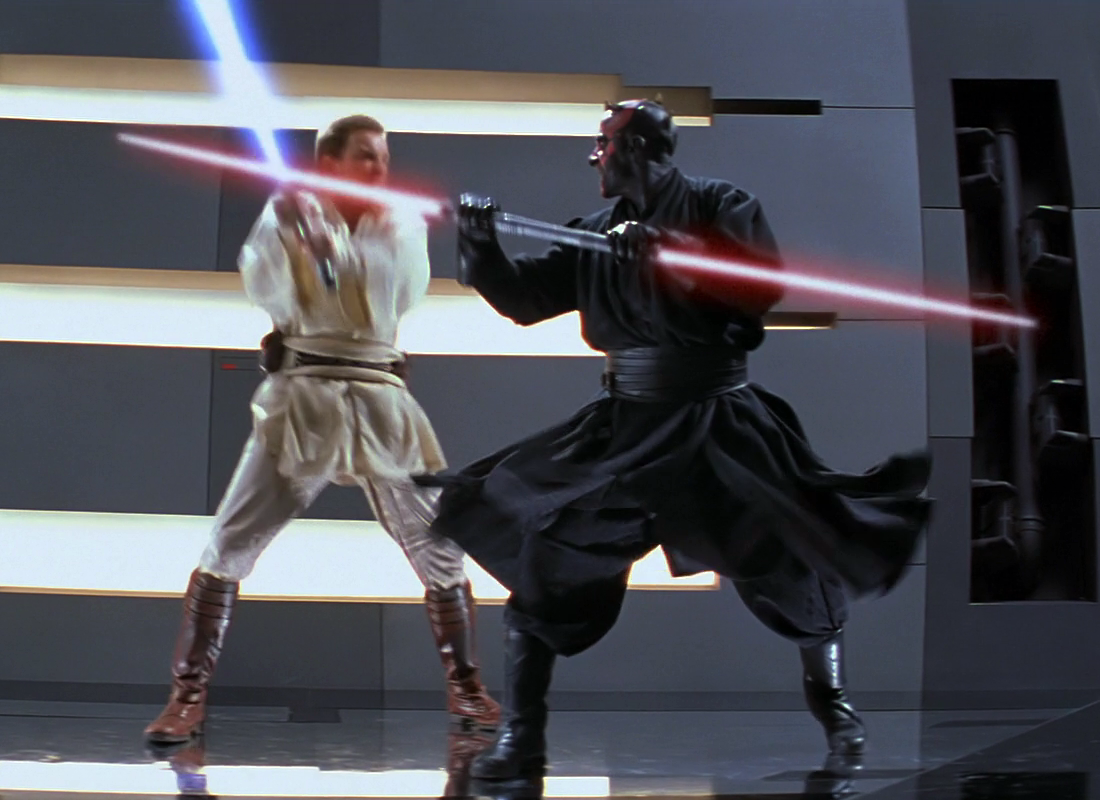
Given that courage was a crucial attribute for a Jedi, the Trial of Courage was deemed appropriate even for those not specializing in combat. Due to the need to keep the test's challenges a secret, most Jedi did not disclose details about specific trials. Before the test was standardized, acts of battlefield heroism or confronting a Sith Lord were considered sufficient for passing. However, due to the relative peace of the Republic's Golden Age, the Council required a different kind of challenge to maintain relevance. The Council could simulate a dangerous mission within the Trials Chamber or send a student on a real mission outside the Temple. These tests could be deadly and extremely challenging, which is why the Council was selective about who could undertake the Trials.
Notable tests included the assignment of Darsha Assant to retrieve the Black Sun intelligence agent Oolth from the depths of the Coruscant underworld. Although she initially succeeded in capturing him, Oolth died. Assant was later intercepted and killed by Sith Lord Darth Maul, failing her Trials. Subsequently, Padawan Obi-Wan Kenobi faced Maul after the Zabrak Sith killed Kenobi's master, Qui-Gon Jinn. Kenobi defeated Maul on Naboo, passing the Trials in the eyes of the Council. Kenobi's Padawan, Anakin Skywalker, would also forgo formal Trials; the Council considered his bravery throughout the Clone Wars as sufficient.
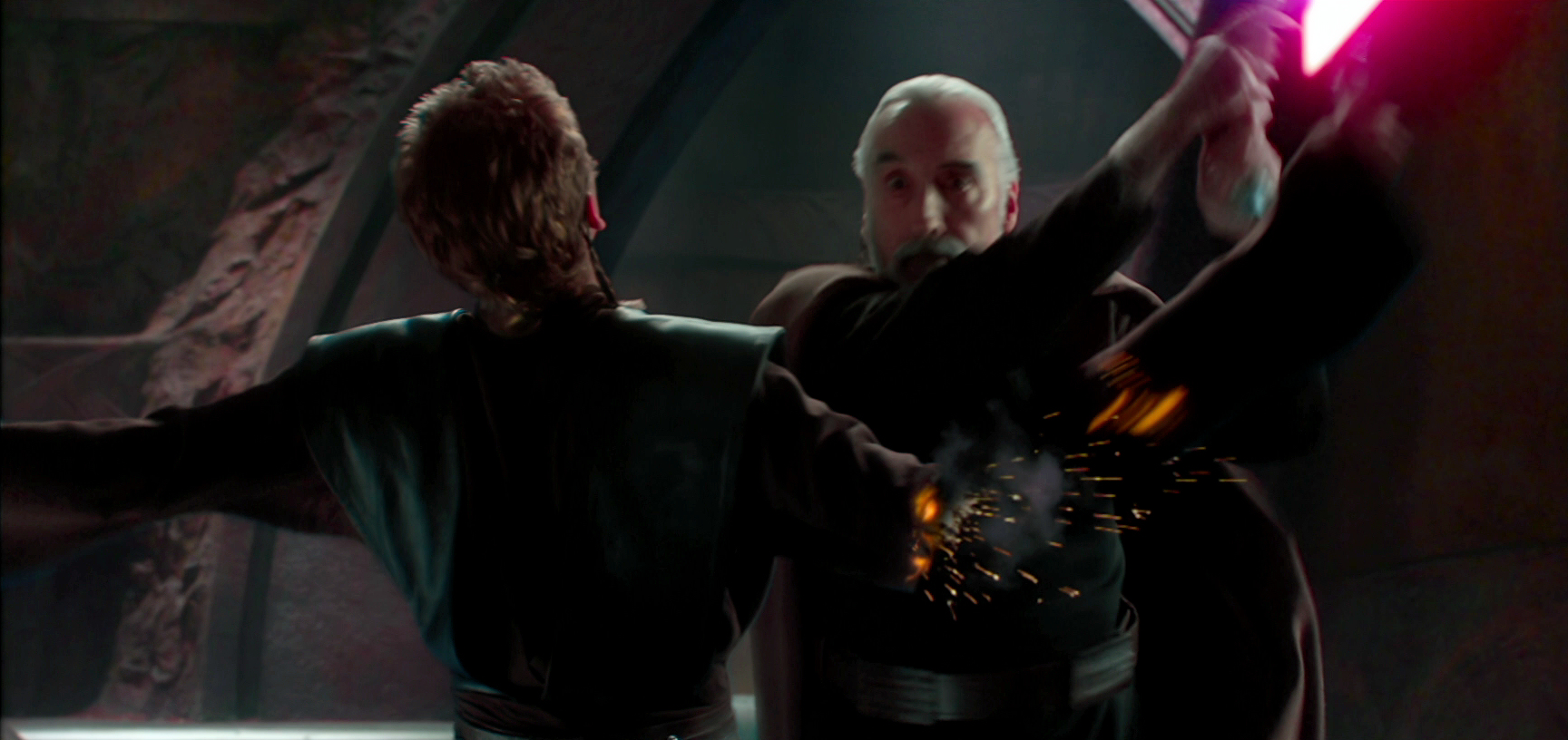
The Trial of the Flesh was the most demanding test given at the Temple. It involved the apprentice enduring significant physical pain, hardship, or loss, and sometimes resulted in death or dismemberment. Throughout history, this Trial was known to involve bloodshed in some form. During the height of the Pius Dea Era, the Order subjected its apprentices to bursts of energy applied directly to the skin, a practice known as The Burning. Although this form of torture was discontinued by the Order, battle scars were accepted as passage during the New Sith Wars. It was not uncommon for Padawans who defeated a Lord of the Sith on the battlefield to pass the Trials of the Flesh, Skill, and Courage simultaneously. During the Arkanian Revolution, Squire Kinning lost an arm to pass the tests. During the Golden Age, the Council viewed the separation of Master and Padawan at the end of their journey together as a significant trial, given the typically close nature of their relationship.
During the Clone Wars, Padawan Anakin Skywalker lost his right forearm in a duel with Count Dooku on Geonosis. Although this occurred due to recklessness, Master Kenobi persuaded the Council to accept it as the Trial of the Flesh. During the Dark Times, Sith assassin Starkiller faced and defeated the simulated representation of his father in the High Council Chambers of the Coruscant Temple. In the reformed Order during the New Republic era, Apprentice Tenel Ka overcame the loss of her left arm and refused a mechanical replacement, thus passing her test.
During the Galactic Civil War, Luke Skywalker passed the Trial of the Flesh by losing his right hand in his battle with his father, Darth Vader, in Cloud City.
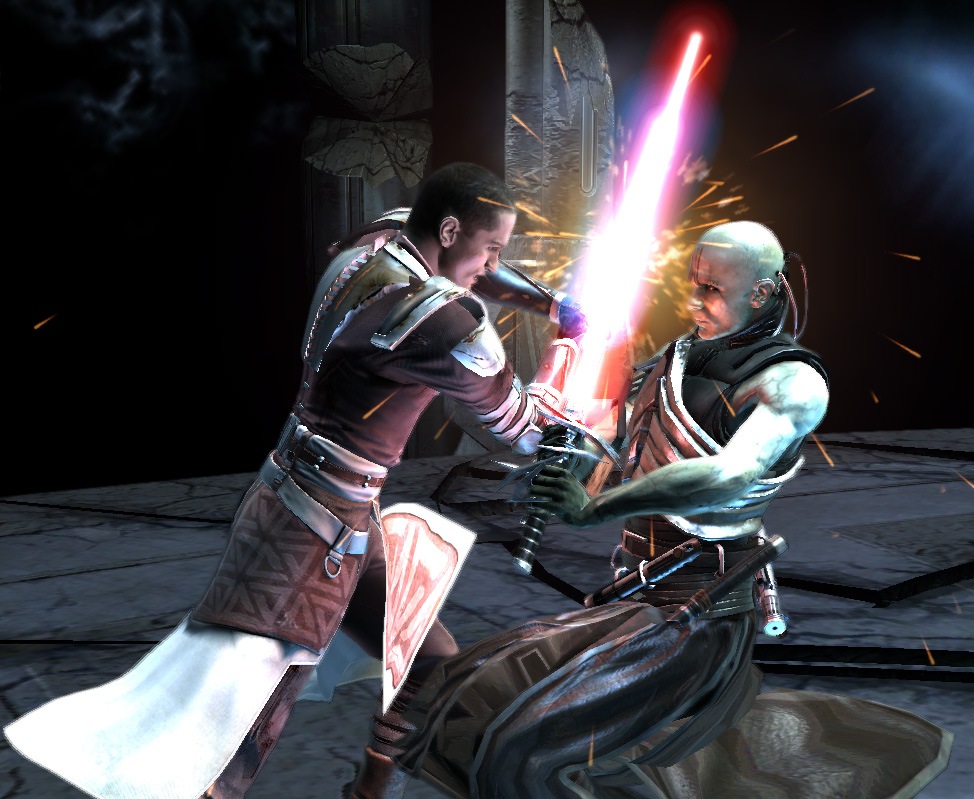
To succeed in the Trial of the Spirit, apprentices were required to delve deeply into their inner selves, embarking on a quest for self-discovery. This test was designed to pit a potential Knight against their most formidable adversary: the darkness within. Often, apprentices found what they saw unsettling, making it a highly traumatic experience. Due to this intense self-examination, this Trial was often referred to as Facing the Mirror. While it shared similarities with the Trial of Skill, this test typically did not involve physical movement. Instead, a Padawan entered a deep meditative trance to confront their inner fears and demons. Because of the highly personal nature of the test, not even the High Council dared to dictate its specifics. A Padawan had to create their own script for the journey. Given the risks associated with such deep meditation, a Master was always present to guide the student back after they had been pushed beyond their comfort zone. The worst outcome of a failed trial could be awakening from meditation screaming and mentally shattered.
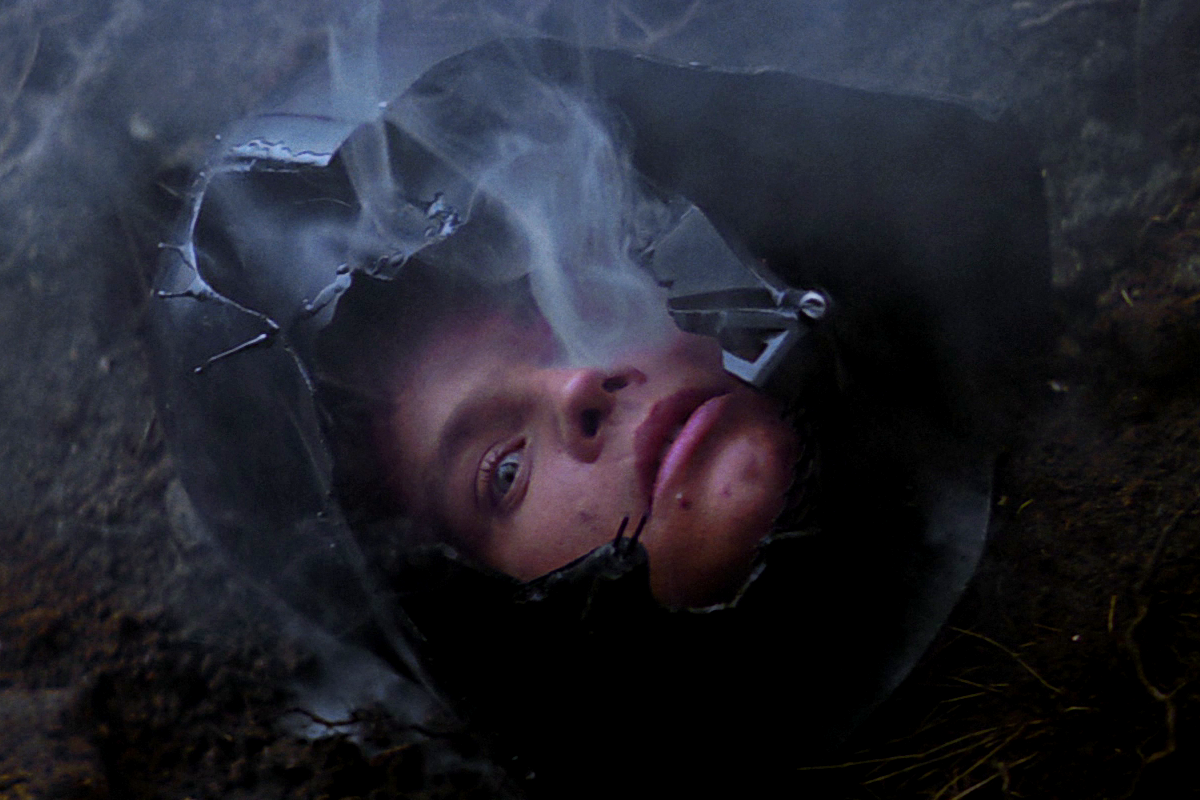
During the final years of the Order, thousands of Jedi underwent this test. Whether facing visions of nexu or dangerous enemies, the test consistently proved to be emotionally challenging. Although somewhat unconventional, the High Council acknowledged that Anakin Skywalker had indeed passed the Trial (during the spiritual throes of a cavernous Force vision preceding a heroic tribal rescue) while on Nelvaan in 19 BBY. There, on a mission, Skywalker entered a deep meditation and envisioned himself as Darth Vader, his future incarnation as a Dark Lord of the Sith. Decades later, Skywalker's son, Luke, was encouraged to undertake the same trial on the swamp planet of Dagobah. In accordance with tradition, the exiled Grand Master Yoda observed the test from nearby as young Skywalker entered the mysterious cave that emerged from the muck. Inside, Skywalker briefly dueled his father, Darth Vader, before severing his head from his armored body. As Vader's helmeted head rolled past Skywalker's feet, the mask shattered, revealing Luke's own face staring back at him.
Another notable test took place at the Temple on Coruscant, although the ancient structure was in ruins and the Jedi Trials Chamber was inaccessible. The Sith assassin known as Starkiller had once again infiltrated the Temple and headed directly for the Holocron Chamber within the Tower of First Knowledge. After opening a holocron belonging to his father, Kento Marek, the assassin entered a trance and envisioned dueling a purely dark side version of himself. Rejecting Darth Vader and the dark side to avoid becoming the shadowy figure he had fought, Starkiller left the Temple for the last time.
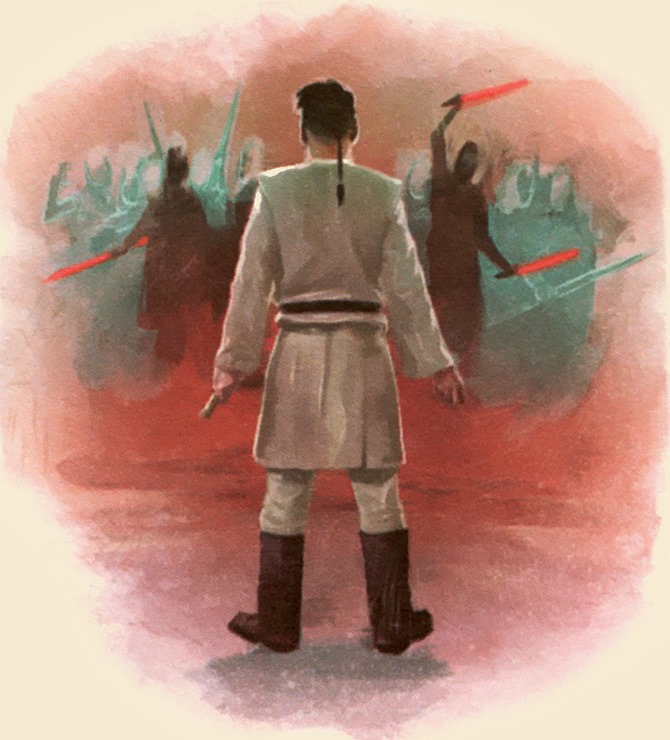
The Trial of Insight was the final test included in the Trials of Knighthood. Added to the Trials program after it was observed that a Jedi could defeat a Sith but still be undone by common thieves, this test helped Jedi perceive the reality before them through the Force. The ability to see through illusions, accurately assess an individual's character, and uncover lies was crucial for mission success. To pass the test, Padawans were prohibited from reviewing any potential puzzles in the Jedi Archives; such knowledge would invalidate the test. The Trial might require a Padawan to analyze and decipher the High Riddles of Dwartii or decode fragmented text from scattered files. In some cases, a field of stones would be arranged on the Trials Chamber floor, and a Padawan would have to find the single grain of sand among them.
Although not officially sanctioned by the High Council due to its disbandment, Sith apprentice Starkiller undertook this Trial in the years leading up to the Galactic Civil War. Due to the Temple's structural damage and computer malfunctions, Starkiller faced a simulacrum that could manifest within the Temple Archives. Taking the form of Darth Phobos, a long-dead Theelin Sith Lady, Starkiller had to see past her disguises as she transformed her image into that of his beloved pilot and friend, Juno Eclipse. Despite initial difficulties, Starkiller crushed the Sith simulacrum beneath a pile of rubble, defeating the program.
As a satellite facility of the Jedi academy on Coruscant, the Academy on Almas employed a different teaching approach than the main school at the Jedi Temple. When a student was deemed ready for the Trials, a group of Masters were summoned to oversee them. A set of three tests were developed to effectively assess potential Knights, considered by some to be easier than those of the main academy, and by others, more difficult. During the Clone Wars, Jedi Master Ki-Adi-Mundi was dispatched to the Academy to evaluate its trials and determine whether to continue the Academy's program, ultimately deciding in favor of its continuation.
The first test involved an inquiry by the Almas Council regarding the student's understanding and application of the Jedi Code and its principles. The application of the Code and its relevance to each student were critiqued and analyzed until the Council was confident that they grasped Jedi philosophies and embodied what it meant to be a Jedi. After successfully passing the first trial, the student was sent to the academy's basement, where they were instructed to meditate for five days. Upon completing the meditation, they exited the small chamber and were authorized to take the third and final test. The final test typically occurred in the deserts of Almas, where students underwent a fusion of the Coruscant trials. In the desert, students confronted their fears through combat, demonstrations of the Force, or any other skill they could bring to bear.
The Trials of Skill, the Flesh, Courage, and the Spirit were first mentioned in "Chapter 21" of the animated microseries Star Wars: Clone Wars, which aired on March 21, 2005 on Cartoon Network.
Starkiller's Trial of the Spirit is depicted differently in the PS2/Wii version of The Force Unleashed. In this version, Starkiller arrives in the destroyed High Council Chamber and enters a trance where he sees a seemingly resurrected Kento battling Darth Vader. As his master falters and is about to be defeated, Starkiller rushes to his defense. They fight to the death, with Kento urging him to abandon his anger throughout the battle. Starkiller gains the upper hand and fatally stabs his opponent. As he dies, Kento apologizes to Starkiller for the way his life turned out, addressing him as "son." Realizing who he has killed, Starkiller grabs Kento's body as he collapses, only for it to vanish, revealing that the entire fight was an illusion. Disturbed by what he has seen, Starkiller leaves the temple without a word.